Showing posts with label health. Show all posts

Friday, October 29, 2021

Bioactive compounds in genus capsicum

Capsicum (Capsicum spp.), also called as pepper, is the second-most consumed vegetable worldwide and this spice crop originated in the American tropics. Today capsicum cultivated all over the world for fresh, dried, and processing products.

Plant of genus Capsicum is part of the large Solanaceae family, which, among the more than 90 genera and 2500 species of flowering plants, includes commercially important vegetables such as tomato, potato, and eggplant. Capsicum species are used all over the world as spices, but also in traditional medicine to prevent or nurse some gastric ulcers, rheumatisms, toothache and diabetes.

Capsicum can be eaten raw in salads or cooked in food seasonings. In various processed products paprika, paprika oleoresin, red pepper oleoresin, and dried chili may all serve as an important source of red color, but paprika and paprika oleoresins are the primary source of red color.

The main source of pungency in peppers is due to the presence of capsaicinoids. Alkaloid compounds of capsaicinoids are secondary metabolites and derivatives of phenylpropanoids produced in placental epidermis cells and accumulated in structures (blisters) located on the placenta surface.

There are two important compounds Capsaicin and dihydrocapsaicin which accounting for almost 90% of total capsaicinoids. Capsaicinoids properties include: anti-inflammatory, anticancer, and anti-obesity activities.

Pepper is a source of vitamins, carotenoids and flavonoids, which have antioxidant properties. Peppers are high in vitamin A, vitamin E, and potassium, phosphorus and low in sodium. One hundred grams of fresh red chili pepper has 240 mg of vitamin C (five times higher than an orange), 11,000 IU of vitamin A, and 0.7 mg of vitamin E.
Bioactive compounds in genus capsicum 

Wednesday, September 01, 2021

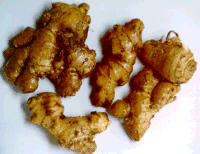
Horseradish

Horseradish is a relative of the mustard family that acts as a digestive stimulant. Armoracia rusticana (horseradish), a member of the Brassicaceae family, is a flavorful pungent herb that has been used to enhance the flavor of food, aid in digestion, and improve human health. It has been cultivated for more than 3000 years for its white, thickened, and pungent roots that are generally grated and used as a condiment.

Horseradish will grow about anywhere, but the roots are larger, tastier, and less branched when given proper care and cultivation.

Currently horseradish is cultivated for its thick, fleshy and white roots which have a delicious intense pungency and for its tender leaves which are frequently used for salad mixed to other vegetables.

The English refer to the plant as ‘red cole,’ perhaps due to the hot sensation experienced when ingesting even small pieces of root. The roots are dug up and are scraped or grated before use. Both fresh and dried roots are used as a condiment, which aids digestion and prevents scurvy. It is similar to mustard in most of its properties.

Horseradish is a rich source of a number of bioactive compounds such as glucosinolates (GLSs) and their breakdown products, isothiocyanates, are responsible for most of the claimed medicinal effects. Recent studies have suggested that glucosinolates provide prevention and inhibitory influences on different types of cancer, and horseradish contains high amounts of these compounds.

Sinigrin is the dominant glucosinolate in both leaves and roots. The volatile oil, by its components and sinigrin transmits its revulsive and rubefacient properties; the diuretic and antiseptic properties of horseradish are also due to these products, eliminated through the respiratory and renal systems.

Horseradish root is rich in vitamin C and B1, minerals (iron, potassium, calcium and magnesium), phytoncide and essential oils, a glycoside (sinigrin) which releases a volatile aglycone (allyl isothiocyanate) identical with the essence of mustard plant.The pungent smell of the roots is due to allyl sulfide, a substance present in garlic and onion.
Horseradish

Thursday, March 25, 2021

Fenugreek

Trigonella foenum-graecum plant is also known as fenugreek have originated in the Mediterranean region of the parts of Asia and recently it was suggested so as to fenugreek originated in Turkey. Applications of fenugreek were documented in ancient Egypt, where it was used in incense and to embalm mummies. About 260 species are currently available in Trigonella genus.

Fenugreek plants produce horn-shaped pods with a length of up to 11 cm, which are straight or curved in shape, narrow, with a sharply pointed tip. Each pod contains 10 to 20 cuboid seeds divided by a ridge into two unequal parts. Green-brown seeds are lobulated and very hard.

The aromatic and flavorful fenugreek is a popular spice and is broadly used for culinary and medicinal properties. Fenugreek contains strong spicy and seasoning type sweet flavor.

In addition, it has a broad spectrum of therapeutic properties. It has been used for numerous indications, including labor induction, aiding digestion, and as a general tonic to improve metabolism and health.

Fenugreek is well known for the principal source of soluble fiber in the plant. Dietary fiber is highly capable to reduce risk of cardiovascular abnormalities and some specific type of cancer due to the reduction of LDL level and total cholesterol.

Fenugreek has been long known as a potent herb in traditional medicine. Its seeds contain protein with a desirable amino acid profile, lipids and biogenic elements. Fenugreek seeds are also a rich source of saponins, flavonoids, choline, carotene, essential oils containing trigonelline and other functional elements.
Fenugreek

Monday, September 07, 2020

Antioxidant activity of asam glugor (Garcinia atroviridis)

Oxidative damage has been known to affect human health and cause various diseases but it may be prevented or limited by dietary antioxidants.

Garcinia atroviridis is an endemic fruit tree species in Peninsular Malaysia. It is one of the well-known plant that contains antioxidant compounds. The root, leaf, trunk and stem bark extracts (except for the fruits) showed strong antioxidant activity exceeding that of the standard antioxidant, alpha-tocopherol.

Dried fruit has been used to improve blood circulation, treat coughs, and as an expectorant and laxative.

The study by Malaysia local university findings indicate the potential use of G. atroviridis leaves and fruits as a source of natural antioxidants and nutrients for therapeutic purposes against free radical mediated health conditions. Antioxidant potential of this species was most commonly reported. Other bioactivities include antimicrobial, antifungal, antiobesity and lipid metabolism, cytotoxicity, antiinflammatory, antimalarial and antinicotine stress activities.

The role of antioxidants is to prevent damage to cellular components that arise as a consequence of chemical reactions involving free radicals Human body requires antioxidants to reduce the effects of free radicals. Garcinia species are rich sources of mangostin, tannin, xanthone, isoflavone, flavones, and other bioactive substances.
Antioxidant activity of asam glugor (Garcinia atroviridis)

Tuesday, November 12, 2019

Ginger: Chemical compounds and usage

Ginger (Zingiber officinale Roscoe) is a member of the Zingiberaceae family of plants. It is one of the most commonly consumed dietary condiments in the world. The oleoresin (i.e., oily resin) from the rhizomes (i.e., roots) of ginger contains many bioactive components.

It has a potent spicy fragrance and flavor and is widely used to add a piquant touch to curries, soups and beverages. It contains an oleoresin, which is rich in 115 bioactive components, such as [6]-gingerol, [4]-gingerol, [8]-gingerol, [10]-gingerol, [6]-paradol, several shogaol (in the dehydrated form), the gingerdiones, hexahydrocurcumin, tetrahydrocurcumin, and gingerenone

The studies have identified more than 400 different compounds in ginger and major constituents are as follows:
*Carbohydrates-about 70%2.
*Lipid-about 8% which includes free fatty acids.
*Volatile oils-about 3% consist mainly of the sesquiterpenes, beta-bisabolene.
*In addition, raw fibers, vitamins and minerals are also present in ginger.

Ginger has been used for thousands of years for the treatment of numerous ailments, such as colds, nausea, arthritis, migraines, and hypertension.

Based on evidence primarily from animal and in vitro studies, ginger may have beneficial effects toward cardiovascular disease through its multiple actions counteracting inflammation, hyperlipidemia, platelet aggregation, and hypertension.
Ginger: Chemical compounds and usage  

Tuesday, March 13, 2018

Rosemary herb

Part used of rosemary is their leaves. Rosemary is an herb that thrives in gardens in warmer climates and favors an alkaline soil similar to its natives Mediterranean.

It has long been renowned as a memory aid. It has a tonic effect on the nervous system and is good for circulation.

Handful of rosemary sprigs can be added to the hot coals directly before placing meat on the grill, to smoke in its delightful aroma.

This flavorful herb makes a remarkable jelly for roasted meats and warm bread and may be used as a glaze for sautéed carrot, peas or meats. It is also savory addition to breads and rolls, cheese spreads and butters.

Restaurants raised the bar on flavor when many started making their customary breads with rosemary and the herbs works well with all grains as easily as it does bread. Rosemary also lends itself to hearty fish stews, tomato-based pasta sauces, pizzas, and open-faced lamb, beef or chicken sandwiches. It has a very strong flavour though and should always be used sparingly.

Rosemary gets its taste and scent from essential oils such as cineole, camphor and camphene – eucalyptus-like aroma, and linalool, which produce the forestry, sweet element.
Rosemary herb

Monday, January 29, 2018

Garlic's beneficial effects to cardiovascular problems

There are several medicinal plants and their single components which have been shown to have beneficial effects against cardiovascular disorders.

Garlic is one of potential herb for use in cardiovascular disorder. Garlic is said to be good for cardiovascular problems due to its blood pressure lowering effects, blood lipid lowering effects and its anticoagulant properties.

Garlic has been shown to reduce the size of plaque deposits, the ‘hard’ material that clogs and stiffens arteries by nearly 50 percent in humans, rats and rabbits.

Garlic has been shown to protect against myocardial infarction, doxorubicin-induced cardiotoxicity, cardiac arrhythmias, cardiac hypertrophy, and ischemia-reperfusion injury.

Scientists suggested that the major benefit effects of garlic intake, specifically on cardiovascular disease and more broadly on overall health are mediated by the biological production of H2S.

H2S is also known as rotten egg gas, is toxic in high amounts. H2S is also a potent anti-inflammatory and antioxidant molecule that can increase antioxidant defences.
Garlic's beneficial effects to cardiovascular problems

Saturday, October 07, 2017

Garcinia atroviridis or asam gelugor

Garcinia atroviridis also known as asam gelugor is common in the Malay Peninsula. Its fruit are cultivated throughout Southeast Asia, for spices.

The leaves are desuccate and glossy, long and show about 18 pairs of secondary nerves. The flowers are dark a red and the fruits are pumpkin like berries are edible and sour.
The ripe acid fruits which are a brought orange-yellow are sliced, dried and used in curries, as a sour relish or stewed in panty of sugar and eaten. The dried fruit slices are used to give acidity to cooked dishes in place of tamarind.

Garcinia atroviridis may be useful in preventing atherosclerosis or lowering the relative risk of atherosclerosis.
Garcinia atroviridis or asam gelugor

Friday, March 18, 2016

What are the health benefits of nutmeg?

Known as a popular spice around the world, nutmeg is also popular for its many health benefits. Nutmeg fruit is the only tropical fruit that is source of two different spices: nutmeg and mace.

Nutmeg has been found to be an effective anti-diarrheal agent, reducing the amount of stool, increasing the period between evacuations and improving intestinal tone while inhibiting the contractions that would normally be stimulated by irritating agents.

American herbalists use nutmeg as a digestive remedy for nausea, vomiting, indigestion and diarrhea.

The fruit is a good source of vitamins A, C and D, minerals (calcium, manganese, iron, copper, potassium and magnesium), carotenoids and essential volatile oils.

Nutmeg consumed as a brain tonic during ancient Roman and Greek. This due to the nutmeg can effectively stimulate human brain which resulted in eliminate fatigue and stress.

Nutmeg oil relieves stomachaches by removing the excess gas from intestines. Nutmeg also can boost appetite.

Modern research has revealed that nutmeg extract possess aphrodisiac activity. Nutmeg also has other effects beneficial to sexual health; it can help increase circulation, lower cholesterol and lower blood pressure.
What are the health benefits of nutmeg?

Monday, February 15, 2016

Horsetail herb

Botanical name of horsetail: Equisetum arvense. Family: Equisetaceae. The plants also known as shave grass, horsetail grass, and horsetail weed.

Apparently first recorded by the Roman physician Galen, several cultures have employed horsetail as a remedy for kidney and bladder troubles, arthritis, bleeding ulcers and tuberculosis.

Horsetail widely distributed throughout the temperate zones of the northern hemisphere.

Horsetail was used topically to stop hemorrhaging from wounds and to promote healing. Other uses included strengthening of hair, nails and skin.

Horsetail is one of the best herbs for the external treatment of skin diseases and is one of the very herbs with recognizable fungicidal properties.
Horsetail herbs

Monday, January 11, 2016

Cinnamon health benefits

Cinnamon comes from the inner bark of two evergreen varieties: one native to Sri Lanka and southern India and another that grows in southeastern Asia.

Recent studies demonstrated that compounds found in cinnamon improves the function of insulin, function as antioxidants, anti-inflammatory agents and may be neuroprotective.

Cinnamon is showing promise as a way to prevent and counteract the symptoms of type 2 diabetes, having a beneficial effect on glucose levels and insulin sensitivity.

Cinnamon also lowers LDL cholesterol and triglycerides. It was said that cinnamon increased bilary secretion of cholesterol and phospholipids without affecting the bile content.

Cinnamon can be used to spice up hot beverages like tea or apple cider or sprinkle it on top of sugar-free cocoa.

Daily use of honey and cinnamon powder strengthens the immune system and protects the body from bacterial and viral attacks. Honey take with cinnamon powder can cures stomachache and also clears stomach ulcers from the root.

Cinnamon fights cancer. Cinnamon may actually prevent the spread and growth of cancer cells. Cancer cells abnormally take up glucose, ignoring regular metabolic signals.

Ground cinnamon is made from the bark of the cinnamon tree and to contains three types of essential oils (cinnamaldehyde, cinnamyl acetate and cinnamyl alcohol) that provide to with health-boosting properties, as well as a wide range of other active substances.

Cinnmaldehyde is the most prevalent compound in cinnamon with concentrations ranging from 6,000 to 30,000 ppm and has anesthetic, antibacterial, anti-inflammatory, antiulcer and antiviral.
Cinnamon health benefits

Tuesday, August 04, 2015

The uses and health benefits of cumin

Cumin is member of the Apiaceae family and its scientific name is Cuminum cyminum. It is a small yellow fruit with an acrid fragrance and warm, bitter nutty, earthy flavor. Cumin resembles caraway seeds but its longer, lighter in color and straighter.

The Ancient Egyptians used it for the mummification process. During the Middle Ages in Europe, cumin was one of most recognized as a reminder of love and devotion.

In one teaspoon (about 2 g) cumin contains: 38 mg of potassium, 20 mg of calcium, 10 mg of phosphorus, 8 mg of magnesium and 1.3 mg of iron.

Cumin seeds have traditionally been noted to be benefits to the digestive system. Cumin may stimulate the secretion of pancreatic enzymes, important factors in proper digestion and nutrient assimilation.

Many studies showed that cumin reduces the risk of stomach and liver cancers. Antioxidant in cumin protects the cells from free radical damage that causes degenerative diseases and premature aging.  This cancer –protective effect may be due to cumin’s potent free-radical scavenging abilities, as well as the ability it has shown to enhance the liver’s detoxification enzymes.

It improves the oxygen-carrying capability of hemoglobin. Antiseptic properties of cumin can help fight flu, by boosting body immune system. A cup of water boiled with cumin seeds, ginger, basil leaves and honey, can give great relief.

Cumin is said to be a diuretic and sedative. It also has an anti-aging properties, and anti-flatulent properties.

Cumin is used commercially to flavor many ethnic products. It is essential component of Mexican foods, along with chili pepper and oregano. The humble cumin is a part of almost every Indian kitchen and on a hot summer day it is sheer bliss to have a glass of buttermilk with a dash of cumin powder. Cumin use is prevalent in many Latin American cuisines.
The uses and health benefits of cumin

Monday, May 05, 2014

Health benefits of celery

Celery has long been known to be one of the best foods to keep the blood pressure normal.

It dilates blood vessels like most potent drugs, but without the harmful side effects.

Celery contains an ingredient acetylenics, which has been shown to stop the growth of cancer cells. Celery also contains phytochemical compounds known as coumarin, which are being shown to be useful in cancer prevention and capable of enhancing the activity of certain white blood cells.

Coumarin compounds also tone the vascular system, lower blood pressure, and may be useful in cases of migraines.

Celery is an excellent source of organic sodium, which gives it a slightly salty taste. Along with potassium, sodium helps to maintain the body’s electrolyte balance. Celery has high calcium content and can help to calm nerves.

Celery may help lower cholesterol and prevent cancer by improving detoxifying.

Celery has a calming effect on the digestive system, relieving gas and indigestion. It is also reputed to be helpful against rheumatoid arthritis and gout.
Health benefits of celery

Friday, April 18, 2014

What are the health benefits of oregano?

The flavor and fragrance of oregano is inextricably associated with its use in flavoring tomato dishes, primarily of Italian cuisine.

Oregano is rich in a host of nutrients including calcium, magnesium, zinc, iron, potassium, copper, boron, manganese, vitamin C and niacin.

The herb also contains fiber, and omegoa-3 fatty acids. The volatile oil in oregano contains thymol and carvacrol two powerful antimicrobial agents.

For centuries, oregano has been used as a folk medicine for everything from respiratory ailments to gastrointestinal complaints for headaches to colds.

The researcher in Mexico found oregano effective treatment against infection by Giardia lamblia, compared to tinidazole.

Studies on the biological activity of oregano show a wide range of antibacterial, antifungal, antiviral and antioxidant properties for the essential oil and extracts.

Oregano had forty-two times as much antioxidant activity as apples, thirty times as much as potatoes, twelve times as much as oranges, and four times as much as blueberries.

The active component was rosmarinic acid, which as its name suggest, is also found in rosemary as well as other mints.
What are the health benefits of oregano?

Monday, December 30, 2013

Usage of cumin

Scientific name for cumin is Cuminum cyminum. The earliest records are from the ancient Mesopotamian civilization of the Euphrates and Tigris valleys, where its fruit were highly prized as a flavoring, and in Pharaonic Egypt for its medical properties.

Cumin is mentioned in the Christian Bible and Jewish Torah and ground fruits remain an essential of the Mediterranean, especially Egypt, Turkey and the Levant.

In ancient Rome, cumin was ground and spread on breads and was used as a substitute for black peppercorns.

Today whole seeds are used mainly to flavor Swiss and Dutch cheeses. It is a key ingredient of commercial curry and chile powders. The spice is also added to soups meats, pickles and sauerkraut. The flavour also enhances vegetables such as zucchini and eggplant. It is often used to flavour pickled vegetables. The flavour is very strong, so use judiciously.

The seeds require lengthy cooking, and for this reason are often sold in small quantities in powdered form. 

The oil of cumin is employed commercially in perfumery and is an essential ingredient of kummel liquors and some German baked goods.

When dry roasted, whole cumin develops a more intense aroma and is added to Indian and Sri Lankan curries.

Cumin seeds stop hiccups when given with vinegar. They destroy worms in the stomach and cure nausea experienced by new mothers who are breast feeding.
Usage of cumin

Monday, October 01, 2012

Aloe Vera

Aloe Vera is just one of a large genus, of over 400 species, of succulent plants originally from Africa and Arabia.

Aloe Vera is native to the cradle of humanity in Asia Minor and is one of the few plants known all over the world but is true scientific name, which is also its common name.

Of the three to four species used commercially, the most popular is Aloe barbadensis Miller. The name Aloe Vera, Latin for ‘true aloe’ was probably given to this particular plant because it is the aloe species reputed to be the most medicinally beneficial and therapeutic.

Aloe grows typically in semi-arid regions but a few have been found in true desert, some in wetter regions and even one species adjacent to a waterfall.

Externally, Aloe Vera expedites the healing of cuts and burns, rejuvenates and soften skin and hair, relive joints and muscle pain, and helps control acne. It is known to help increase movement in the intestines, relieve constipation, promote menstruation and aid in digestion.
Aloe Vera

Sunday, February 08, 2009

Garlic and Health Benefits

Garlic and Health Benefits
The garlic juice is almost impossibly to drink though, resulting in sweating and an immune system response directed at live garlic cells in the juice.

What is happening is that the live garlic is very strong so the body has a battle digesting the fresh garlic juice. Even so, this has a net positive effect if one can endure it.

Digesting cleansing does involve frequent and less than solid bowel movements, plus bloating.

Bloating is often part of the healing process as the immune system goes to work. It does take months to repair decades of poor diet and less than optimum health.

Understanding that this is a necessary part of the healing process prevents people from giving up and not recognizing progress.

A flat stomach and an ability consume cleansing vegetables plus energized water without any result other than great health and vitality, is the end goal.

Anyone who looks old has a digestive system that needs major repair. Every part of the body regenerates and is capable of healing over time. The digestive system cells, especially the inner wall of the digestive track, regenerate most frequently.

Other than that, garlic acts well against cataract, particularly in smokers and for colds. Like onion juice, one dessertspoonful of garlic in half a pint of warm water is a recognized remedy for worms in children.

One suspects that children in Mediterranean countries must be well protected against worms, and statistics show that their parents have a lower incidence of heart disease than most Europeans, all of which helps to confirm the therapeutic value of this bulb.

Garlic juice has been used beneficially for many conditions including tuberculosis, entercolitis and amoebic dysentery. It is an expectorant as well as assisting asthma and bronchitis.
Garlic and Health Benefits

Tuesday, November 04, 2008

Clove and Health Benefits

Clove and Health Benefits
The clove is an evergreen tree with pointed leaves that is native to the Molucca Islands and cultivated in Madagascar, Indonesia and Zanzibar. Oil of cloves is extracted from the leaf and/or flowers, and is the principal form of clove used medicinally.

Oil of cloves is anti-inflammatory, antimicrobial, analgesic, and antifungal. Benefits of clove oil for specific health conditions include the following:
  • Food poisoning. Clove oil kills some types of bacteria, including Pseudomonas aeruginosa, Shigella, Staphylococcus aureus, and Streptococcus pneumonia, all of which can be involved in food poisoning.
  • Peptic ulcer. Oil of clove reduces the sensation of gas pressure within the stomach that is frequently troubling for people with the peptic ulcers. The eugenol is clove oil depresses the transmission of nerve impulses that convey a felling of bloating and gas and although it does not directly stop the production of gas. This herb also protects against stomach cancer.
  • Periodontal disease and toothache. Clove blossoms and clove oil have been used around the world for generations to relieve pain form toothache and dental treatment. Oil of clove is combined with zinc oxide to make an analgesic paste. Clove oil should be avoided, however, in treating pain due to root canal work, since it may cause inflammation.
Clove and Health Benefits

Monday, February 19, 2007

Garlic and Health Benefits

Garlic or Allium sativum L is a member of the onion family. It grows best in climates that have cool winters. Garlic does not grow well in hot climates. The quality of home-grown garlic depends on the seed bulb used, soil and growing conditions, and diseases. 

The most familiar type of garlic is the white skinned Common garlic. Elephant garlic (Allium ampeloprasum L) has very large cloves, but very little garlic flavour. 

Garlic contains a wide variety of phytochemicals, but most attention has centred on allicin. Garlic, in fact, does not normally contain allicin. Allicin is formed when garlic is cut. The sulphur containing amino acid alliin is broken down by enzymes to form allicin. Allicin is relatively stable if it is kept cool, but starts to degrade when heated. As allicin breaks down, diallyl sulphides are formed. 

Garlic is said to be good for cardiovascular problems due to its blood pressure lowering effects, blood lipid lowering effects and its anticoagulant properties. It is believed to treat cancer, and helps fight hepatic and microbial infections. 

There are reports that eating garlic reduces the frequency and severity of the common cold. However, most claims are not backed by sound scientific data. Reviews of the scientific literature conclude that, at the present time, there is insufficient evidence to support health claims and no mechanisms of action have been shown for garlic or allicin that explain the purported benefits.
Garlic and Health Benefits

Monday, January 15, 2007

Favorite spices

Spices and Herbs
Here are a few of my favorite spices with their benefits:

Cayenne pepper and Tabasco sauce
Cayenne pepper and Tabasco sauce can increase metabolism and fat-burning ability by up to 25%.


Ginger
Ginger speeds metabolic rate, plus it inhibits nausea and vomiting often caused by morning sickness or motion sickness.

Peppermint
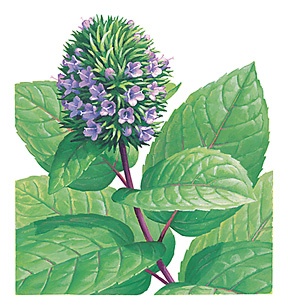
Peppermint is used to treat gastric and digestive disorders, as well as tension and insomnia.

Mustard
Mustard is a stimulant that can be used to relieve respiratory complaints.

Horseradish
Horseradish is a relative of the mustard family that acts as a digestive stimulant.

Cinnamon
Cinnamon is often used as an antidote for diarrhea and stomach upset as well as a metabolism booster.


Allspice
Allspice is an aromatic stimulant that helps to relieve indigestion and gas.


Garlic
Regular consumption of garlic can decrease blood pressure and cholesterol levels. It also aids digestion and prevents flatulence. Recent research shows garlic to be beneficial in the treatment of diabetes.

Turmeric
Turmeric is an antioxidant that neutralizes free radicals and therefore protects against cancer.


In conclusion use these spices to spice up your health
Spices and Herbs

The most popular articles

Articles around the world

FoodNavigator RSS